10 Signs Your Helena Driveway Needs Concrete Repair
10 Signs Your Helena Driveway Needs Concrete Repair
Living in Helena means we get to enjoy all four seasons—sometimes all in the same week! While we love the snow on the mountains, our driveways aren't such big fans. The "freeze-thaw cycle" here in Montana is a absolute beast. Water gets into small pores, freezes, expands, and slowly tears your concrete apart from the inside out.
If you’ve been pulling into your garage and noticing things don’t look quite as smooth as they used to, you aren't alone. Many homeowners in neighborhoods from the Upper West Side to the valley are dealing with the same issues.
How do you know if you just have a cosmetic blemish or if you’re facing a major structural problem? Here are 10 signs your Helena home needs
concrete repair before the next big winter hits.
1. The "Spiderweb" Cracks
We’ve all seen them—those thin, intersecting cracks that look like a spiderweb. While they might start small, in Helena, they never stay that way. These are often the first sign that the surface of your slab is under stress. If you catch these early, a simple concrete driveway repair service can seal them up before they turn into deep canyons.
2. Potholes (The Suspension Killers)
A pothole isn't just an eyesore; it’s a hazard for your car and your ankles. Potholes happen when a section of the concrete completely fails and crumbles away. This usually means the ground underneath has shifted or washed out. If you’re dodging holes just to park your car, it's a clear sign you need professional
concrete repair.
3. Spalling or Scaling (Surface Flaking)
Does your driveway look like it’s "peeling"? This is called spalling. It happens when the top layer of the concrete flakes off, exposing the rough rocks underneath. In our area, this is often caused by using the wrong de-icing salts or simply by our brutal Montana winters. If left alone, the damage will just keep digging deeper.
4. Sunken Slabs (The Trip Hazard)
Have you noticed one section of your driveway is lower than the one next to it? This "settling" is very common in Helena due to our soil types. When a slab sinks, it creates a "lip" that is a perfect trip hazard. Instead of a full replacement, you might just need concrete installation service techniques like mudjacking or foam leveling to bring it back up.
5. Standing Water
After a rainy afternoon near Last Chance Gulch, does your driveway have "ponds" that won't go away? Concrete is supposed to be sloped so water runs off. If water is pooling, it means your driveway has shifted or dipped. Standing water is the enemy of concrete—it will eventually soak in and cause massive cracks when the temperature drops.
6. Faded or Weather-Worn Appearance
Concrete is tough, but decades of Montana sun and snow can make it look tired and porous. If your driveway looks "dusty" or faded, the protective sealer has likely worn off. This is a great time to look into concrete resurfacing to give it a fresh look and a new layer of protection.
7. Crumbling Edges
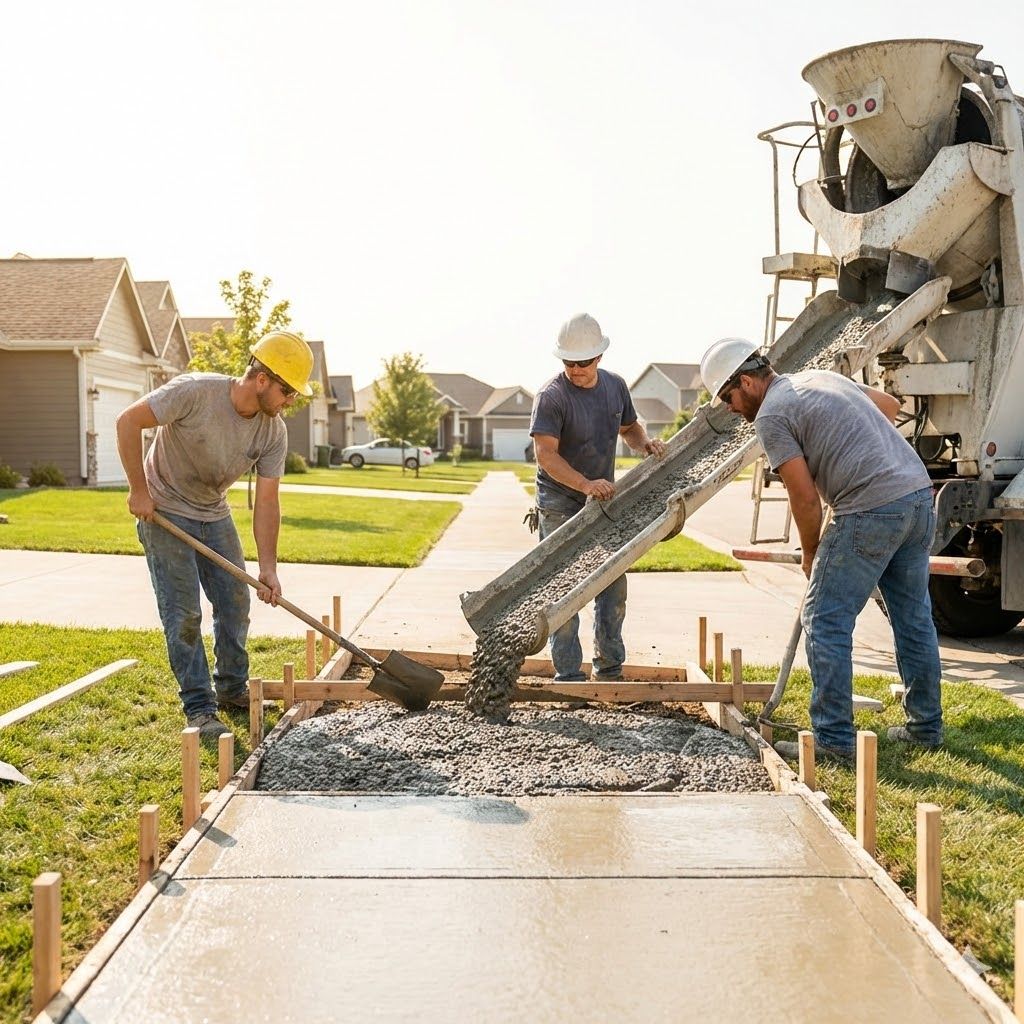
The edges of your driveway are often the thinnest and most vulnerable parts. If you see the sides of your slab breaking off into chunks, it means the support underneath has eroded. This is a common issue that a quality concrete pouring service can fix by reinforcing the perimeter.
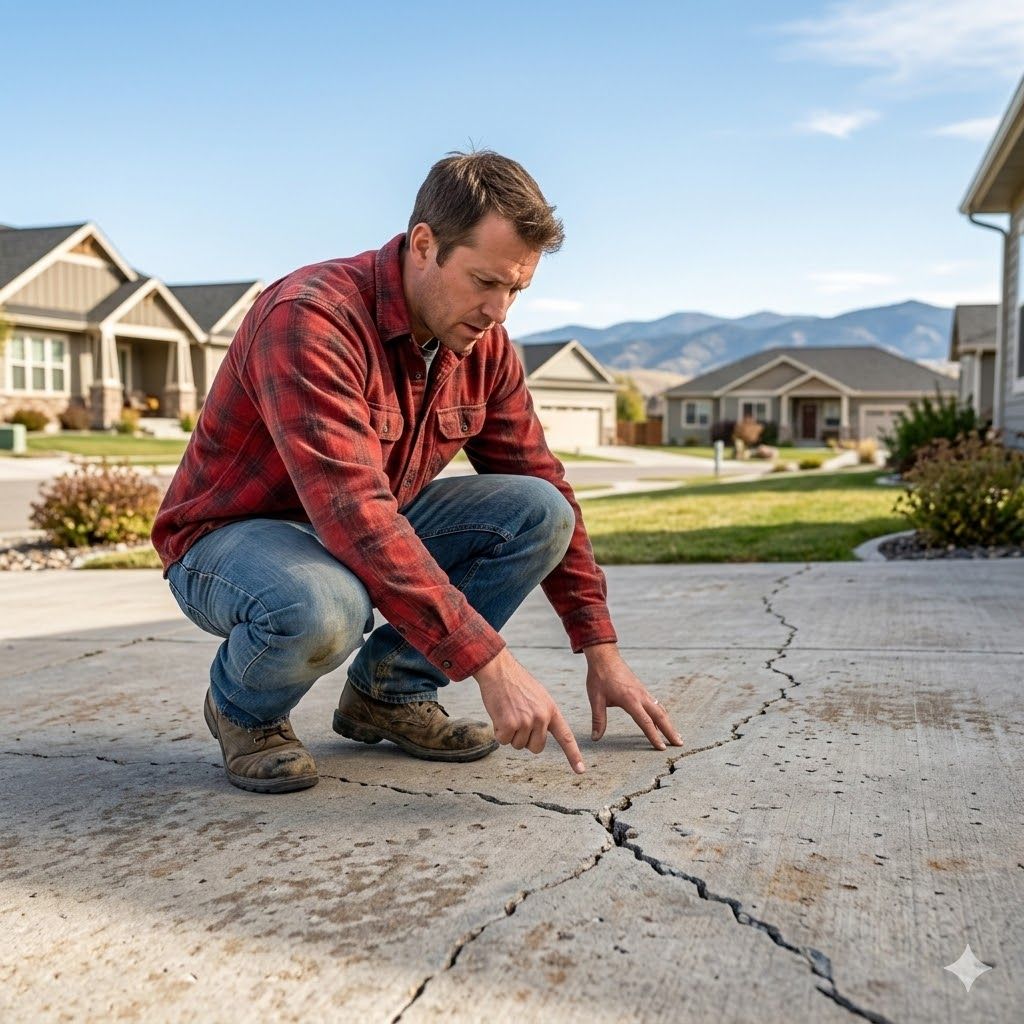
8. Deep, Wide Cracks (The "Penny Test")
If you can fit a penny (or even your pinky finger) into a crack, that is a structural warning sign. These deep cracks allow a massive amount of water to reach the subbase. Once the subbase gets soft, the whole driveway is at risk of collapsing.
9. Vegetation Growing Through
If you have weeds or grass growing in the middle of your driveway, it means you have a crack that goes all the way through the slab to the dirt. The roots will act like little wedges, pushed by the growth and the wind, making the crack wider every single day.
10. You’ve Hit the 20-Year Mark
Even the best
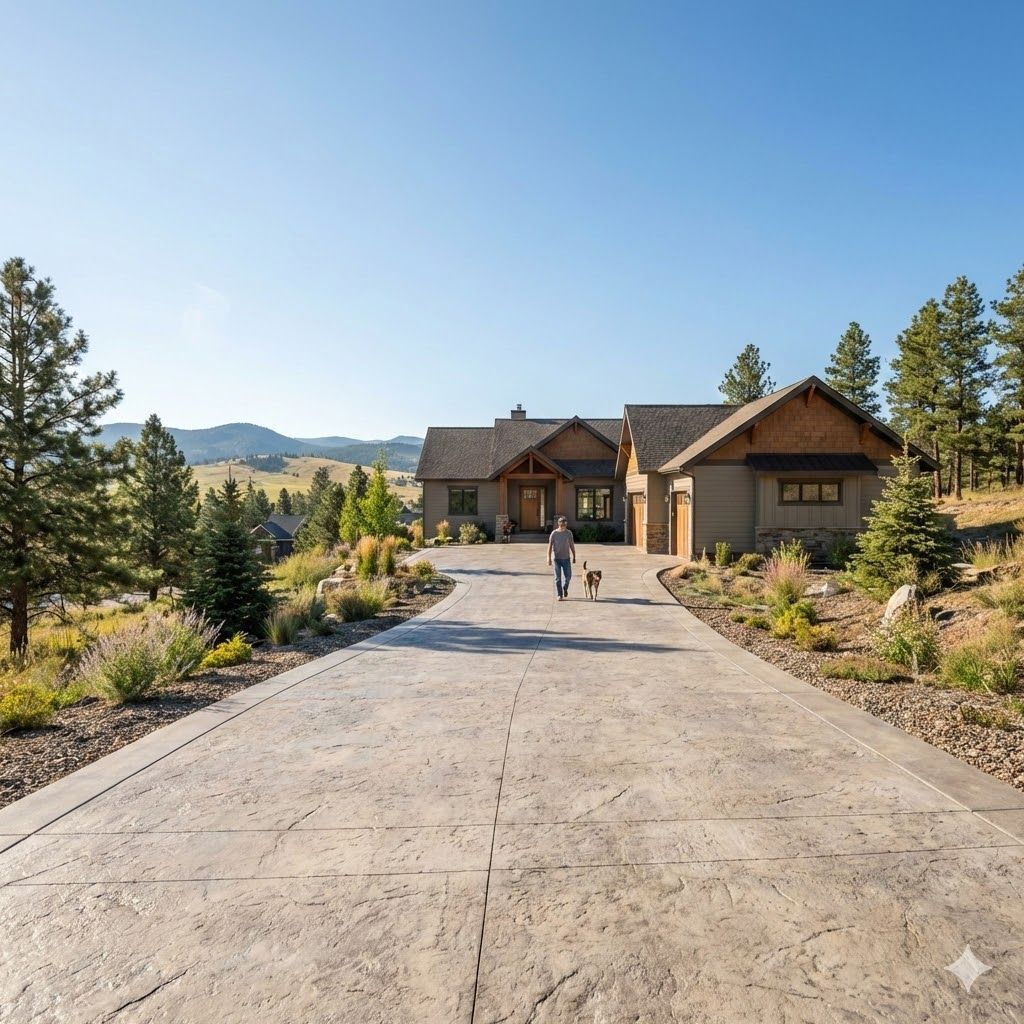
concrete repair can only do so much if the slab is ancient. Most driveways are designed to last about 20 to 25 years in our climate. If your home was built in the early 2000s and you’re seeing multiple issues on this list, it might be time for a total refresh. You can find some 6 great concrete driveway ideas for your Helena home here to start dreaming of an upgrade.
Why Helena Weather is So Hard on Concrete
In Montana, we deal with something called the "Frost Line." During the winter, the ground freezes several feet deep. When that water freezes, it expands with incredible force. If your driveway wasn't poured with expert tips for stronger slabs, it simply won't have the strength to resist that pressure.
"A driveway isn't just a place to park; it's the first impression of your home. In Helena, if you don't maintain your concrete, the weather will eventually reclaim it." — Helena Paving Specialist.
Home Value Statistics
According to real estate data from the
National Association of Realtors (NAR), a well-maintained or newly repaired concrete driveway can increase a home’s "curb appeal" value by up to
5% to 10%. In a market like Helena, where property values have been climbing, keeping your exterior in top shape is one of the best ways to increase your property value.
Don't Get Ghosted by Your Contractor
We know how it goes. You see the cracks, you know you need
concrete repair, and you start making calls. But half the contractors in town don't call back, and the other half show up once and then disappear.
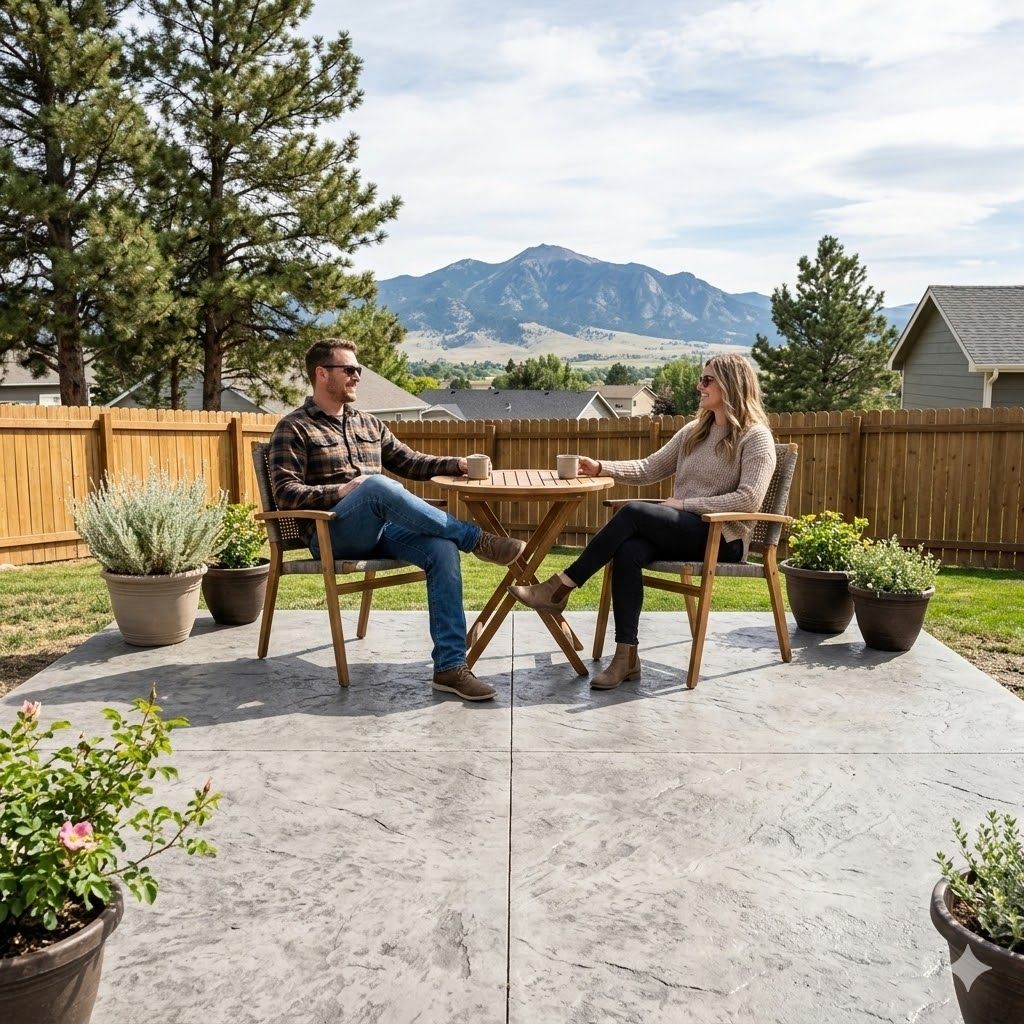
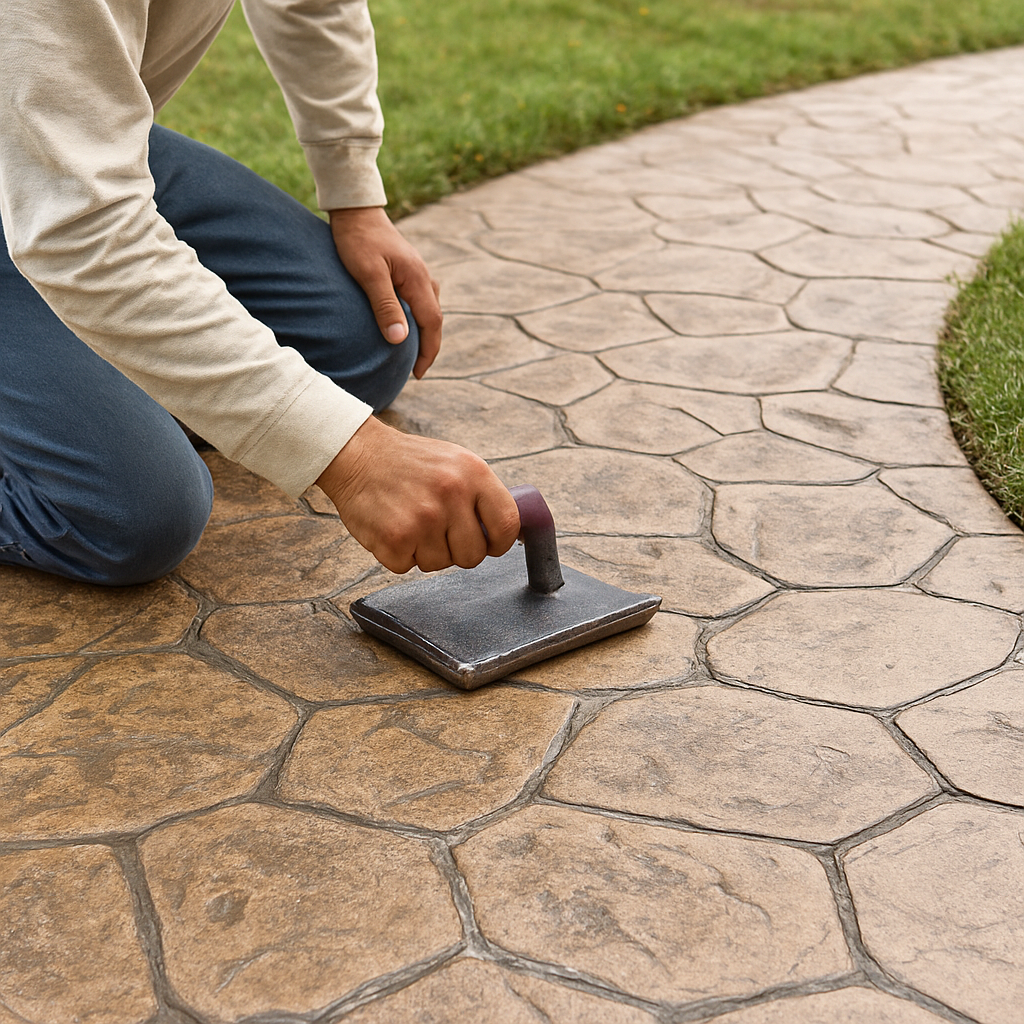
At Precision Paving Helena, we hate that "ghosting" culture as much as you do. We are local, we are part of this community, and we believe in finishing what we start. Whether you want a standard repair or something more decorative like stamped concrete inspired by Mount Helena, we’ll be there from the first quote to the final sealer coat.
FAQ: Concrete Repair in Helena
Can I repair my driveway in the winter?
It's tough. For concrete repair to "bond" correctly, the temperature usually needs to be at least 45°F and rising. In Helena, our primary repair season is from late April through October.
How much does concrete repair cost?
It depends on the size of the damage! A simple crack sealing is very affordable, while leveling a sunken slab costs more but is still much cheaper than a full replacement. Contact us for a free estimate to get an exact number.
Is stamped concrete harder to repair?
It takes a bit more skill to match the pattern and color, but it's definitely doable! Check out our stamped concrete services for examples of how we handle decorative slabs.
Should I just use a bag of "patch" from the hardware store?
For a tiny crack, sure. But for structural issues, those DIY patches usually pop out after the first freeze. Professional-grade materials are designed to expand and contract with the Montana weather.
Conclusion: Take Back Your Driveway
Your driveway is one of the largest features of your property. Don't let a few cracks or a sunken slab bring down your home's value—or cause a twisted ankle. By catching these 10 signs early, you can save thousands of dollars in the long run.
If you’re tired of looking at those cracks and even more tired of contractors who won't call you back, give Precision Paving Helena a try. We specialize in everything from concrete foundation repair to beautiful concrete patios.
Ready to get your driveway back in shape?
Don’t wait for the next snowstorm to make the damage worse. Contact Precision Paving Helena today for a free, no-obligation quote. We’ll show up, we’ll do the job right, and we’ll leave your home looking better than ever!